

10 Jul Lucy Lifts Junior Farmer Trophy

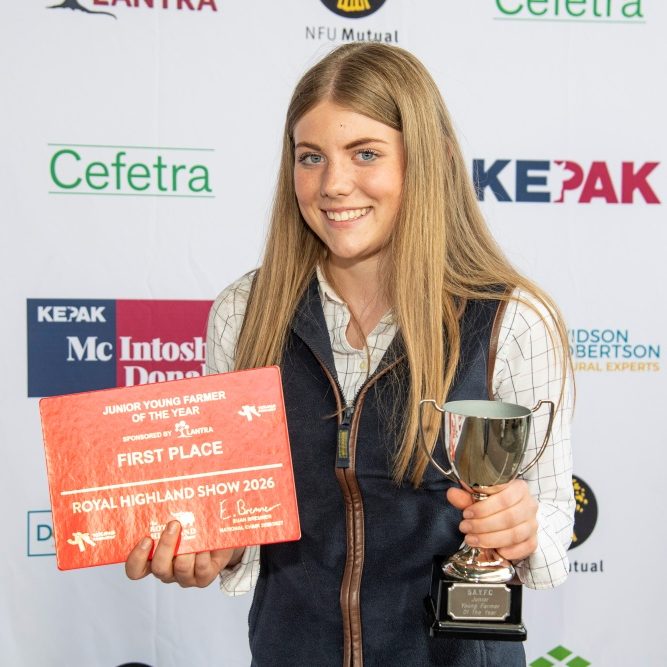
Congratulations to Ednam Young Farmer Lucy Sanderson who was named Junior Farmer of the Year at the Royal Highland Show.
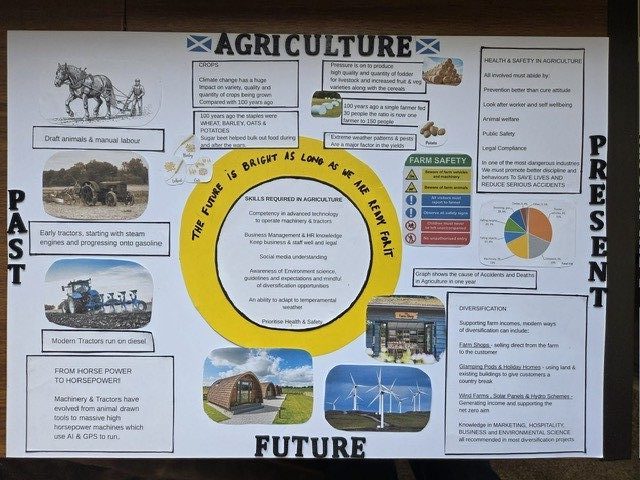
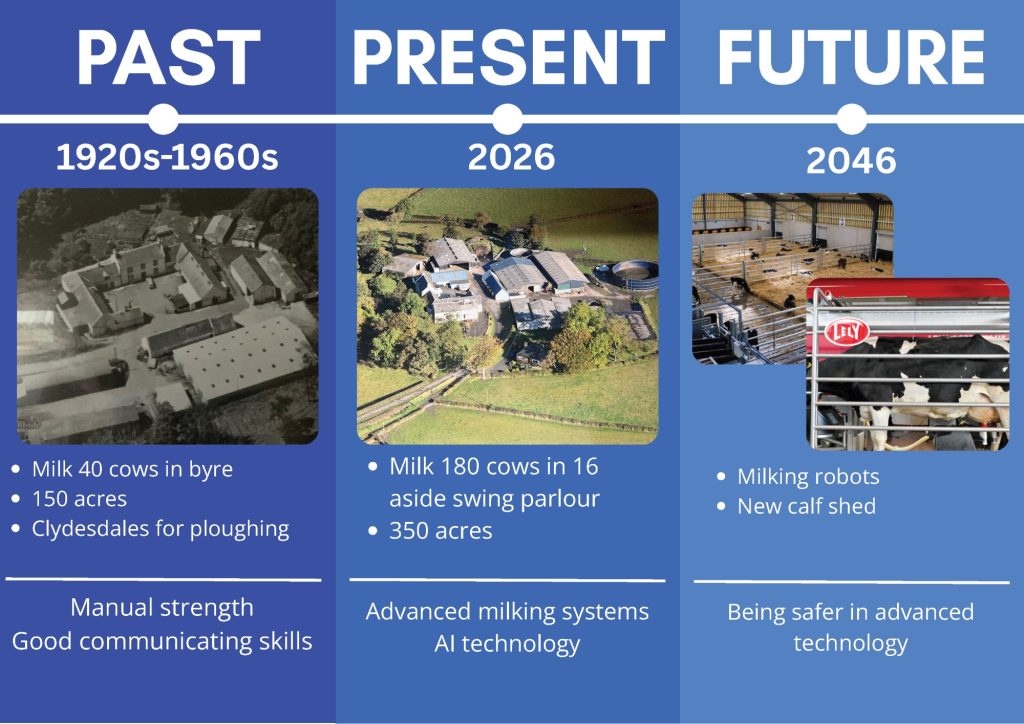
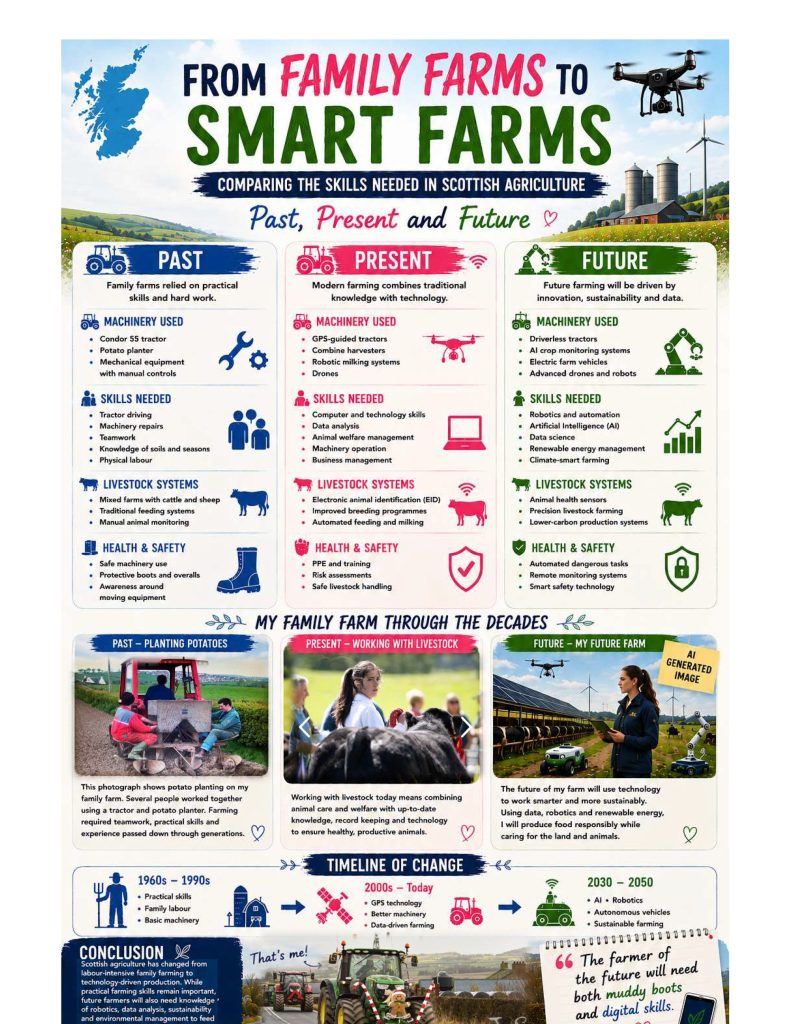
The competition sponsored by Lantra saw Junior members from across Scotland exploring the theme of Past, Present and Future Skills in Scottish Agriculture. Lucy was thrilled to pick up the trophy for her efforts:
“I was absolutely delighted to win and couldn’t believe it. I’m so lucky to have such a supportive club that came to the presentation, I really appreciated having them there.”
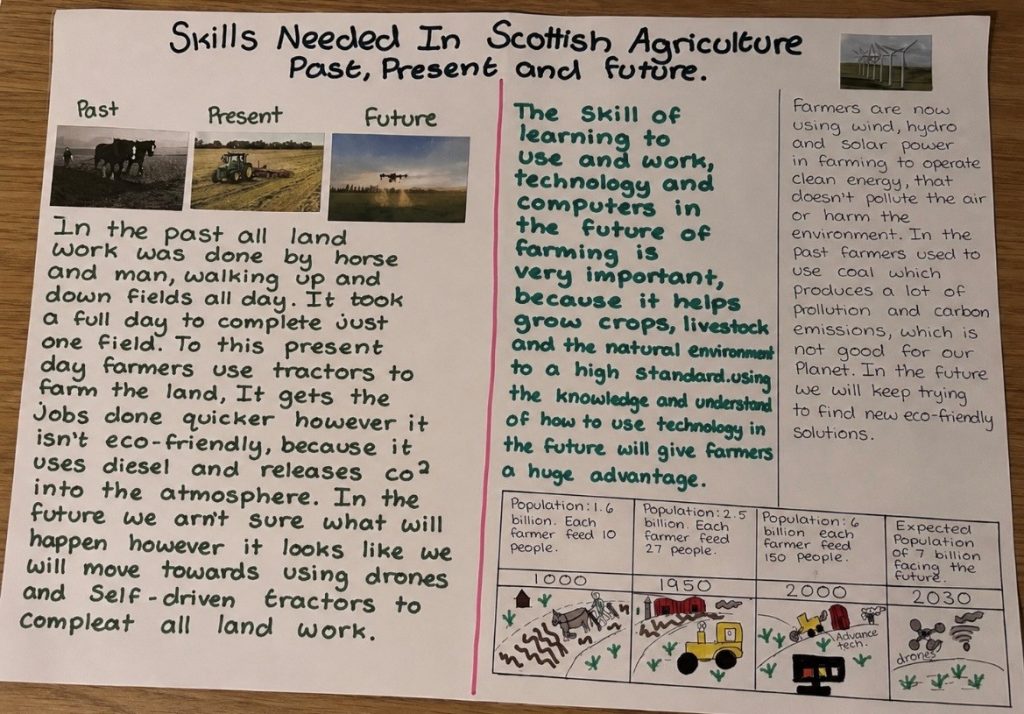
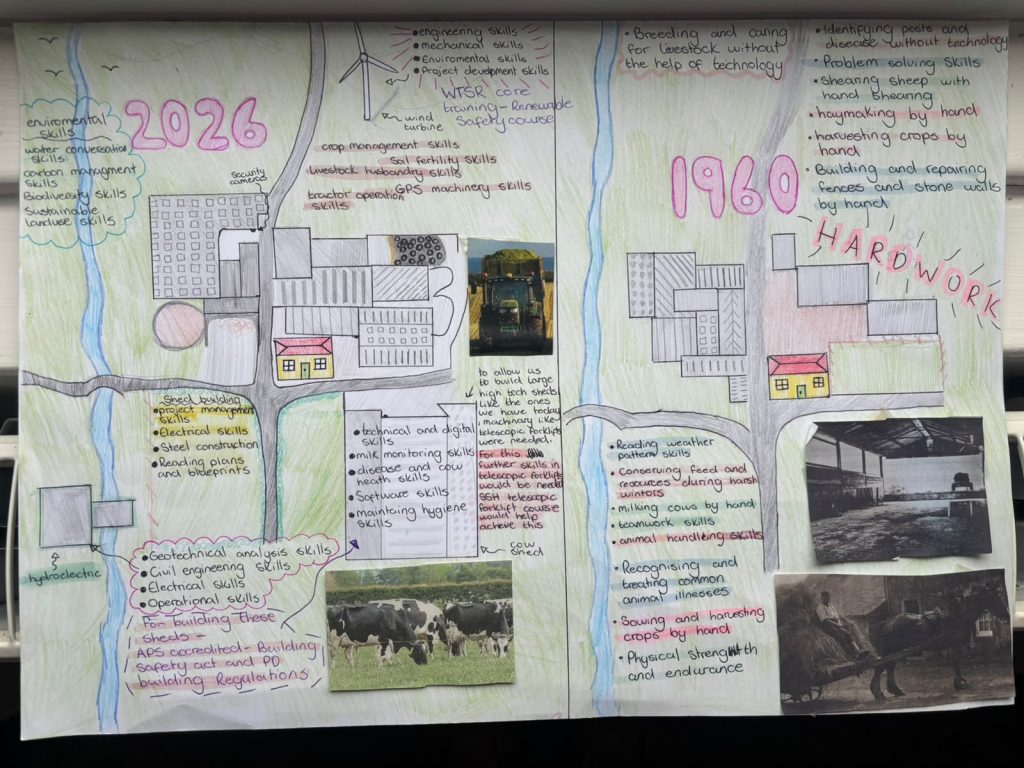
Contestants were asked to produce an A3 poster and 400-word Essay on this year’s theme. Lucy explained a little about her process for the task:
“I looked at Scottish agriculture from lots of different angles in the past, present and future and realised as much as farming has to move forward with new technology the basic skills will always need to stay the same. I found the task really made me think how farming has developed over the years and what the future holds for Scottish farming.”
Lucy was awarded for the breadth of her research which covered not only practical skills but also health and safety, ecological factors and the growing use of technology in farming. Andrew Palmer, Industry Partner for Land, Food and Farming at Lantra had this to say of this year’s competition:
“We were very honoured this year to sponsor the Junior Young Farmer of the Year here in Scotland. And it was a real tough choice, we had some outstanding entries on the theme of ‘Past, Present and Future’ linking to our new entrant training fund. And the passion from these young members in the writing and posters really shone through.”
Results
3rd – Erin Guild, Crossroads
2nd – Rachel Logan, Beith
1st – Lucy Sanderson, Ednam


Lucy’s Winning Essay
My name is Lucy Sanderson, I live on a mixed farm in the Scottish Borders. I am going to discuss the past, present and future skills of Scottish agriculture.
I believe agriculture in Scotland will look very different in the future. As robotics increasingly take over tasks such as bedding livestock, pressure washing and record keeping, there will be a greater need for digital and computer-based skills. However, traditional skills such as working sheepdogs, dry stone walling and livestock husbandry must be preserved. No matter how advanced artificial intelligence becomes, it cannot fully replace the judgement, experience and adaptability required for these practical skills.
Around 80% of Scotland’s agricultural land is classified as upland. In many of these areas, ATVs and machinery cannot effectively access sheep, making sheepdogs the most efficient, effective and environmentally friendly way to gather and move livestock. With approximately 6.54 million sheep in Scotland, I believe sheepdog handling and training are essential skills that must be maintained through practical training opportunities. The future of Scottish farming depends on maintaining high standards of livestock management and a strong understanding from the farmer.
Other important skills for the future include first aid and risk assessment. Farming remains one of Scotland’s most dangerous industries, with around 8–10 fatalities and 80–100 non-fatal injuries each year. It is vital that the next generation of farmers learn how to identify hazards, reduce risks and respond effectively when accidents occur. While technology can replace many manual tasks, it cannot always prevent or react to unexpected situations on farms.
Currently, there are only four sheepdog courses available through the Next Generation Practical Training Fund, and three are delivered online. This leaves only one course offering practical one-to-one training. I believe hands-on learning is far more effective, as it allows trainees to understand how dogs and sheep respond to one another in real-life situations.
The core skills of farming have changed little over the past 100 years, but the way they are practised has evolved dramatically through mechanisation and technological advances. While farms increasingly rely on specialist technologies, practical skills remain the foundation of successful agriculture.
In conclusion, Scottish agriculture will be best supported by a wide range of practical training courses that teach the essential skills needed to produce high-quality livestock and crops while caring for the environment. Combining traditional knowledge with modern innovation will help ensure a sustainable future for Scottish farming.