
10 Dec Iceland 2025

DAY 1:
On Saturday morning all group members met together at Glasgow Airport ready for our flight to Iceland. After going through security and bag checks, we boarded our flight ready for take-off at 12:35. Finally, after 2 hours and 20 minutes we finally reached Iceland, getting to see some of the stunning views of the country from the skies before we landed at Keflavík Airport. We then collected our luggage and got on our airport transfer taxi, which took us straight to the Hotel Cabin in Reykjavík where we would be spending our first night. After checking in and having a quick chill, we then headed down to the hotel reception to meet with our G Adventures Tour Guide Hodei who took us through our travel itinerary for the next few days, featuring all the activities and places we would get to visit. Afterwards we headed down for our first meal at Kaffi Lækur restaurant where we had our first opportunity to try some Icelandic food and got the chance to get to know the group a bit better. After dinner, we then headed into the city centre of Reykjavík and had a few drinks in the little Dubliner pub before heading to bed, so we were ready to start our first day of activities.
DAY 2:
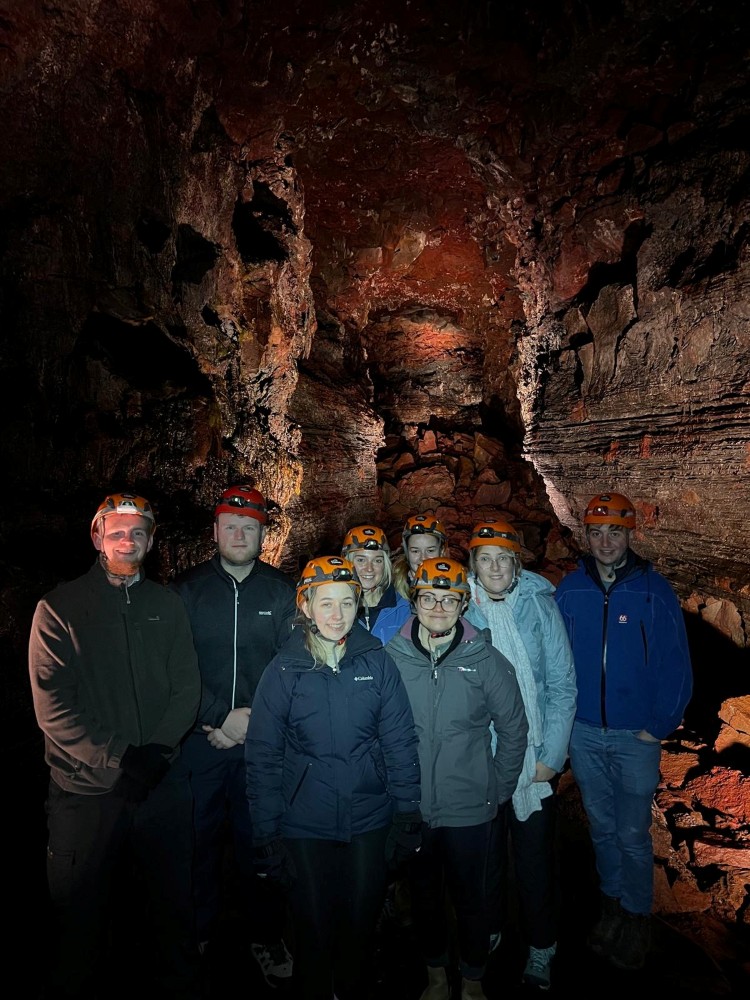
On the second day we travelled out of Reykjavik and visited the Leitahraun Lava Field. Here we learnt about the Leitahraun which is a lava shield located on the eastern Reykjanes penin-sula. The Leitin shield was created from a volcano eruption over 5000 years ago. Within the lava shield the Raufaholshellir was created. The Raufaholshellir took approximately 60 years to map with various teams from across the world all playing a part in the map that is used to navigate the tunnel today.
The team stepped into the lava tunnel to learn more about how the tunnel is used as well as to experience the tunnel in complete darkness with no sound as the tunnel does not have an echo. Safe to say some of the group have found a new appreciation of electricity. The tunnel is mainly used for guided tours, but you can also experience small concerts. In addition, the tunnel also stores barrels of sprits which are sold through the shop.
From there the group got back on the bus for a short trip for some lunch at the Frioheimar which grows their own tomatoes for their restaurant and is also home for their Icelandic ponies. Before tucking into their delicious tomato inspired lunch the group learnt about what it takes to grow tomatoes in the Icelandic environment. The Frioheimar utilises the natural resources such as the hot water from a natural borehole, cold water, green electricity, CO2 and pumice which is volcanic tuff. In addition to the abundance of natural resources the greenhouse also uses biological controls such as the mirid bug and the bumble bee to optimise the tomato plant’s growth instead of relying on pesticides. Many of the group indulged in Frioheimar famous tomato soup with some of the group trying and rating their tomato beer.
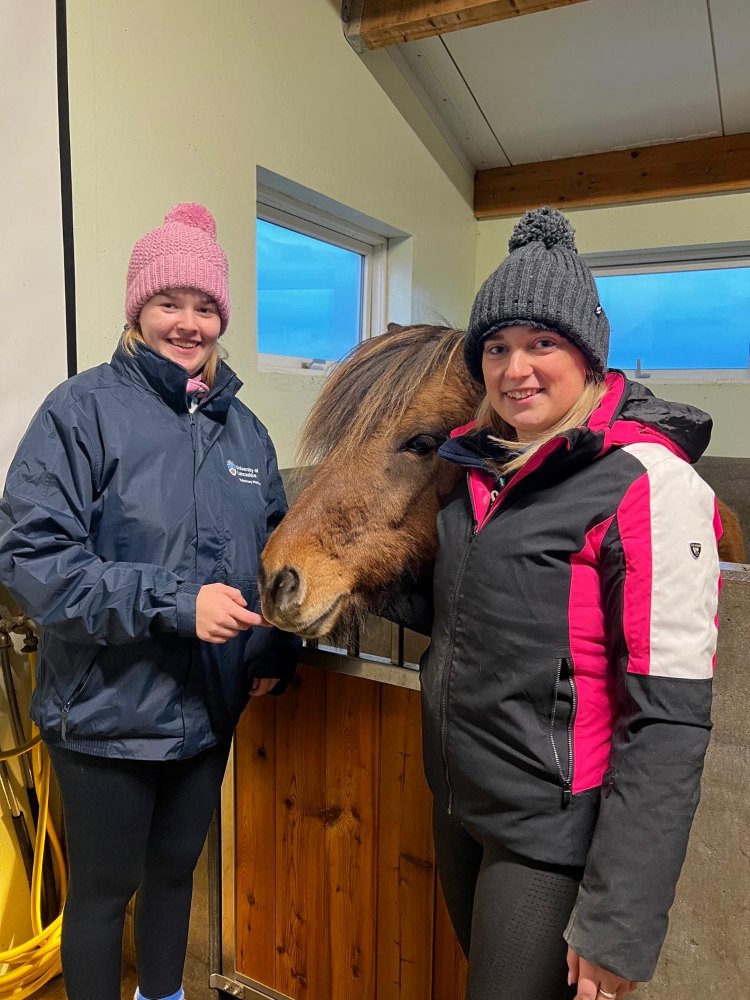
Lastly the group travelled to the Álftröð guesthouse which was home for the next 2 nights . Here the group met some Icelandic ponies and put their chef hats on to make a traditional Iceland meal. The group learnt about vital features of an Icelandic pony which allows them to survive and thrive in Iceland’s cold climate. After tucking into their meal the group entered into a few very competitive card games which was a lovely way to round off the second day!
DAY 3:
We began Day Three with breakfast at Álftröð Guesthouse. By 8:30am we were on the road, heading along the south coast of Iceland, watching the landscape unfold into a mix of mountains, farmland and sea. Much of Iceland’s farming takes place along this stretch, and there is something quite peaceful about seeing sheep and horses set against such dramatic backdrops. Our first stop was the Sólheimajökull glacier.
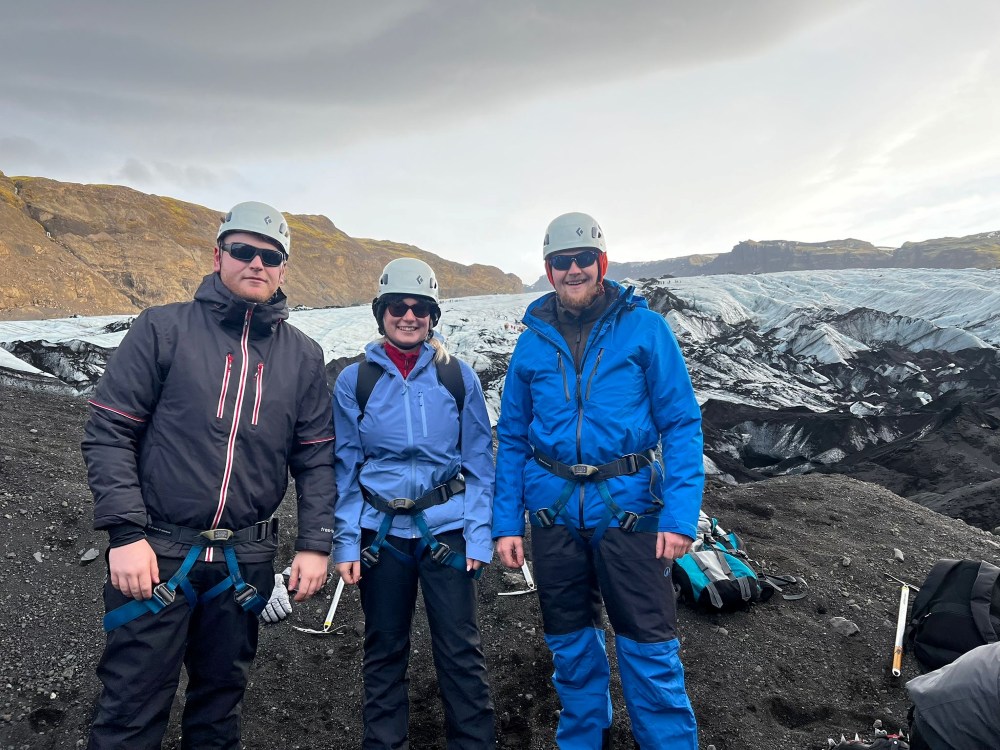
Once we arrived, we were handed our crampons, ice axes and harnesses. Our Portuguese guide, Daniel, gave us a quick safety briefing before leading us towards the ice. Sólheimajökull is an outlet of the larger Mýrdalsjökull ice cap and sits between two volcanoes, Katla and Eyjafjallajökull. The glacier has been retreating steadily over the years due to climate change, and walking on it provided a sense of privilege, knowing that one day it may no longer be there.
At the foot of the ice, some of us found putting on crampons more difficult than expected, which caused plenty of laughter from the rest of the group. Once everyone was strapped in, we began the slow climb. The surface was streaked with black volcanic ash, giving the ice a marbled effect. Daniel explained how meltwater and shifting pressure create deep cracks known as crevasses. When we reached one of these, we harnessed up and were able to peer over the edge into the blue depths below, which Daniel estimated at around 250 metres.
On the way down, we stopped to drink fresh glacier water straight from the source. It was cold and pure, and we learned the “Viking push-up” technique to keep from getting completely soaked, but again some struggled with this and got a little sodden. By the time we reached the bottom, we were tired but grinning, everyone delighted to have experienced the majesty of glacial Iceland.
After a quick stop at Skógar Museum for a much-needed (and free) toilet break, we continued on to Skógafoss. This waterfall is one of the largest in Iceland, dropping 60 metres and spanning around 25 metres in width. It sits on the cliffs that once marked the old coastline. Legend has it that a Viking hid a treasure chest behind the falls, and although part of the chest was supposedly found years later, the rest remains missing. The spray from Skógafoss was so powerful that we were soon drenched, but it was hard to mind. Despite being a popular spot, it wasn’t too busy, and we could enjoy the sound and strength of the water without being buffeted by other travellers.
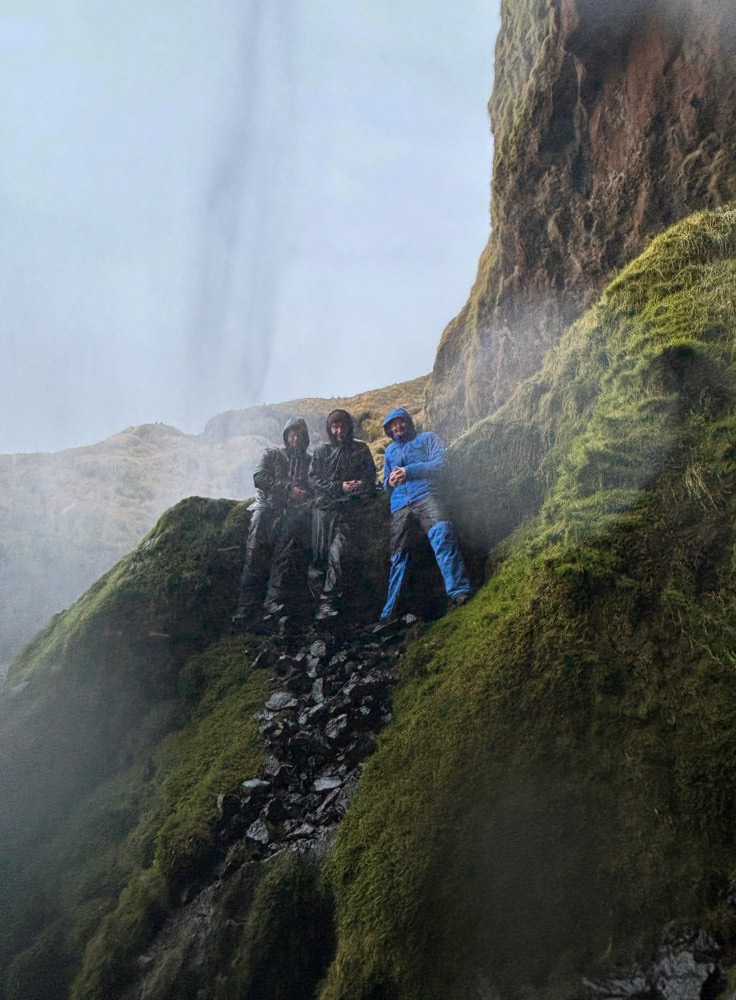
Next we visited Seljalandsfoss, another of Iceland’s most photographed waterfalls. This one is special because you can walk right behind it, which we did. The path was slippery and the spray relentless, but the view from behind the curtain of water was unforgettable. We looked like we’d gone for an accidental swim by the time we came out, but the experience and photos to mark it were worth it.
A short walk further along brought us to a small cave called Ömpuhellir. The name roughly translates to “Auntie’s Cave,” rumoured to be so named after a woman, Ampa, left her home because it was too busy and took the nook as her abode. All of us managed to squeeze inside, taking great hilarity watching others walk by bemused at eight Scottish people peering at them from the dark.
Our final stop of the day was Gljúfrabúi, a hidden waterfall tucked inside a narrow gorge next to Seljalandsfoss. To see it properly, you have to wade carefully between the rocks, (something I didn’t navigate with great success, slipping off and filling my boot with water), and then suddenly you’re inside a mossy chamber with the waterfall tumbling in front of you. It was an awe inspiring sight, properly magical.
That evening we returned to the guesthouse for our last night there. Dinner was a traditional Icelandic meal of lamb, which went down a little easier than the night before offering. The day truly encapsulated everything that natural Iceland has to offer and was a perfect advert for why so many people choose to visit.
DAY 4:
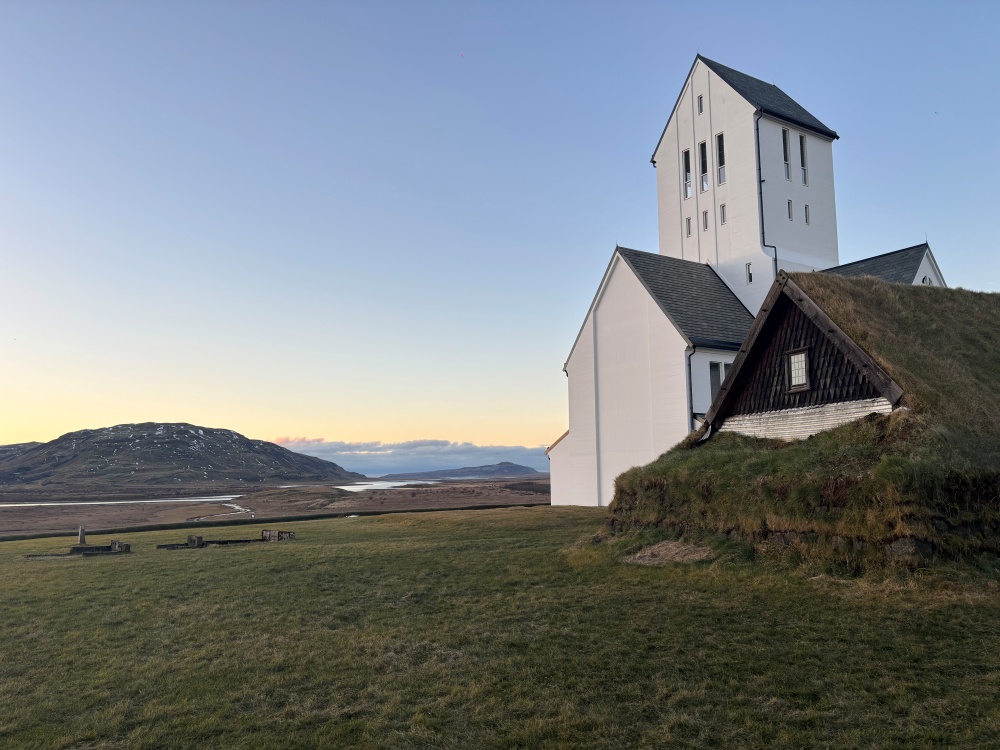
On Day 4, the group travelled the Golden Circle route, beginning with a stop at Kirkjuhvammskirkja Church. This small and historic rural church offered a quiet start to the day and a glimpse into Iceland’s traditional religious heritage.
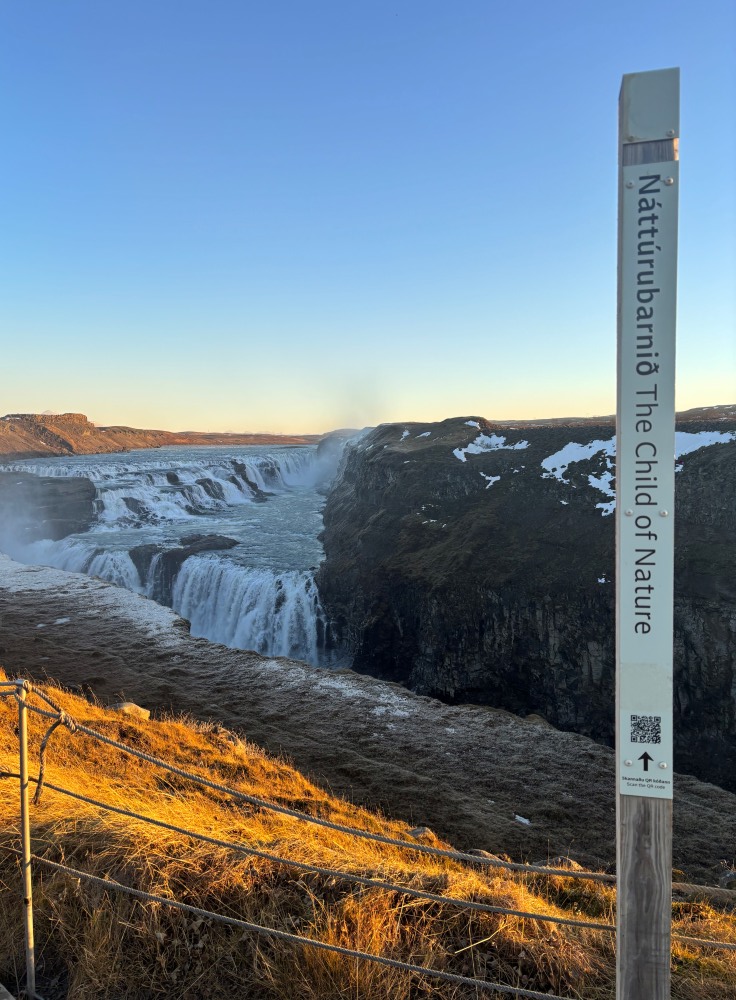
The group then travelled to Gullfoss, a dramatic two-tiered waterfall fed by Iceland’s second-largest glacier. The falls drop 11 metres on the first cascade and 21 metres on the second, plunging roughly 100 feet into a deep canyon carved by glacial meltwater. This was a key example of how Iceland’s natural resources shape both the landscape and its renewable energy potential.
At the Strokkur Geysir geothermal area, observing the region’s unique geology, where water trapped beneath solid volcanic rock becomes superheated and forces its way to the surface in regular, powerful eruptions. This highlighted the geothermal systems that many Icelandic farms rely on for heating and sustainability.
After lunch making a quick snack break, the group visited Efstidalur, a family-run dairy farm that has successfully diversified by adding a small café. Here, they sampled homemade ice cream produced on-site while looking directly into the cattle shed through large viewing windows. The visit demonstrated how Icelandic farms blend traditional livestock production with tourism and value-added products to strengthen farm income.
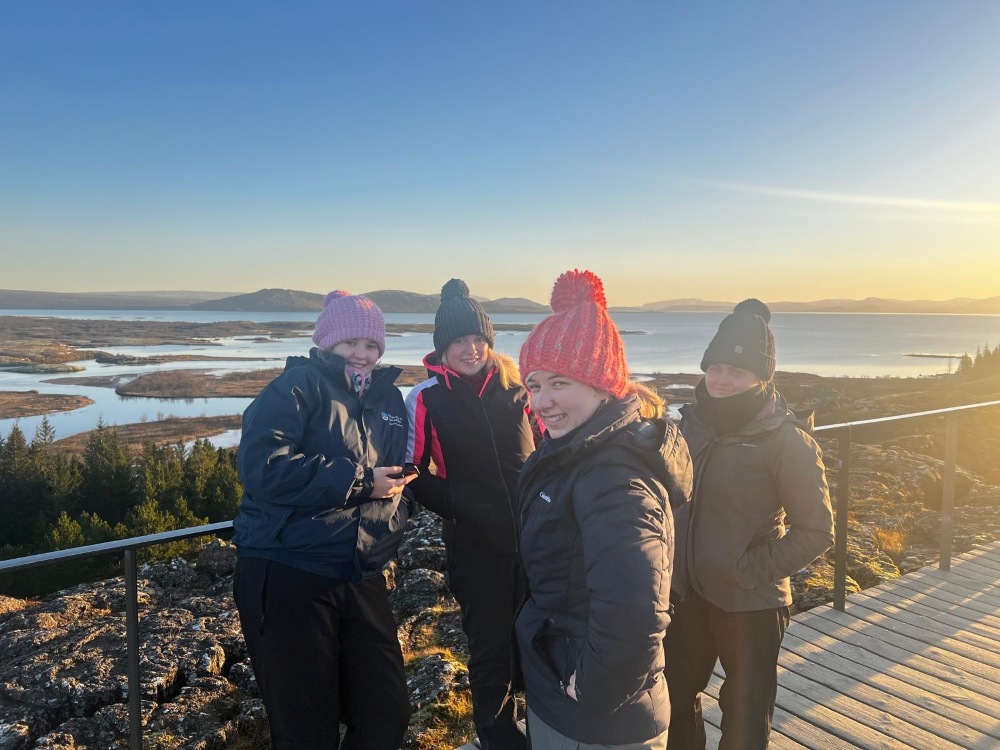
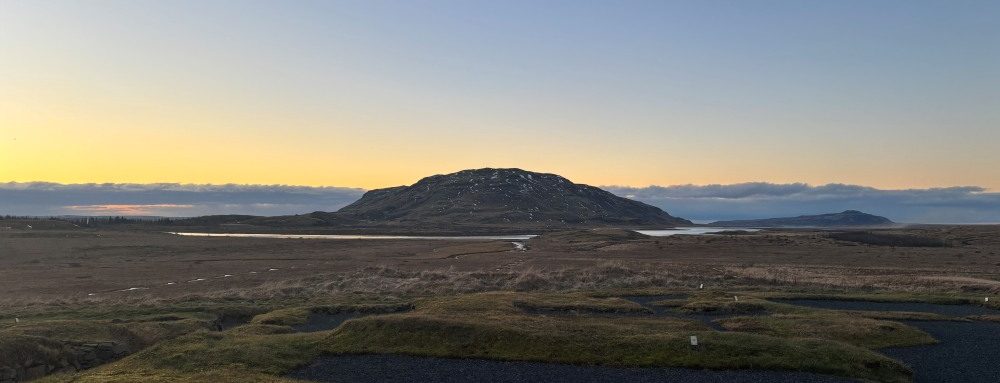
The final stop was Þingvellir National Park, located at the boundary where the North American and Eurasian tectonic plates are pulling apart. Walking along the Almannagjá gorge beside the North American rock wall, the group viewed the vast rift valley below and saw the intertwining rivers flowing through the landscape. This setting underscored the dynamic natural forces that define Iceland’s environment and farming conditions.
Overall, Day 4 was a chance for the group to soak up some of Iceland’s wild landscapes and realise just how dramatic the country really is. Between roaring waterfalls, exploding geysers, and tectonic plates slowly tearing the ground apart, there was never a dull moment. Whilst of course managing to find some local farming enterprise to explore and support. The group did not get to appreciate the environment but gained a new appreciation for just how much nature likes to show off here.
DAY 5:
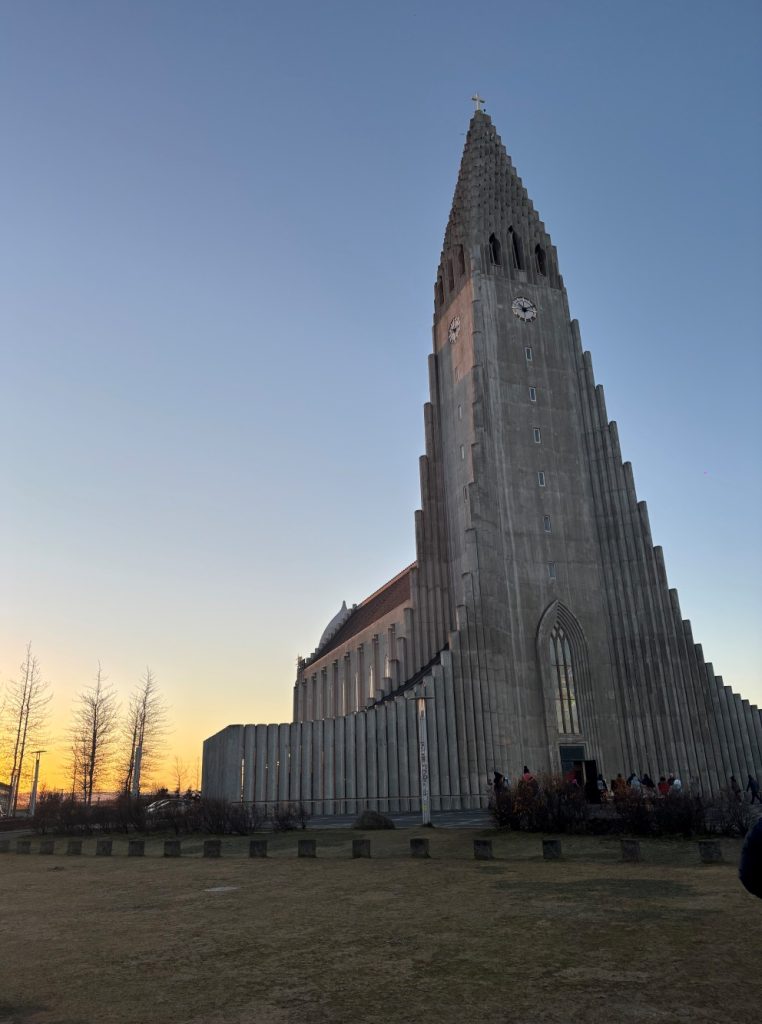
Wednesday was a free day with nothing planned for us so we started the day with a walk around Reykjavik where we were staying. Some of the sites we saw were Skólavörðustígur, the rainbow street, and the Hallgrimskirkja cathedral tower.
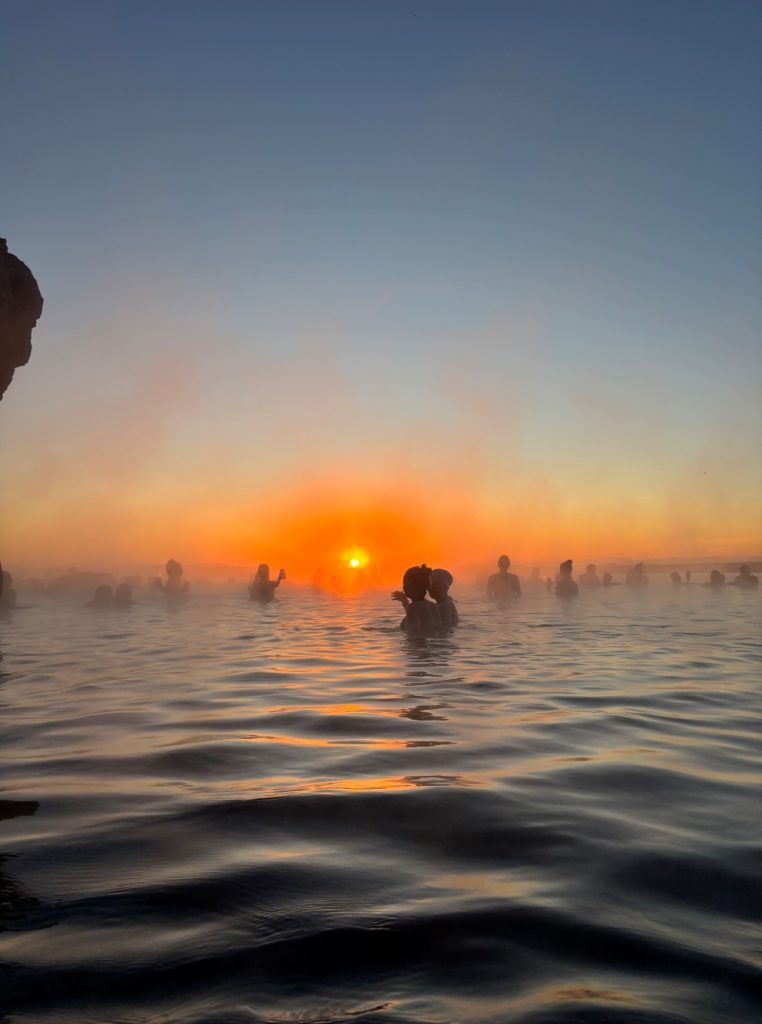
The afternoon we went to the sky lagoon which was an incredible and relaxing experience enjoying the Oceanside view in the geothermal waters where we also did the seven-step ritual that they offer. Some also went to the lava show and got to see a recreation of a volcanic eruption with real heated Lava and even got to keep a piece of obsidian from the show.
On our final evening, we went to a local pub to enjoy some refreshments and chill before getting ready for our journey home
Thanks to SAYFC for this unforgettable opportunity to explore a truly remarkable place. Though our stay was short, we have come away with memories and friendships that will stay with us forever. Thanks also to The International Trust, Ellen Kerr and our own clubs and districts for the support in funding this incredible adventure.